
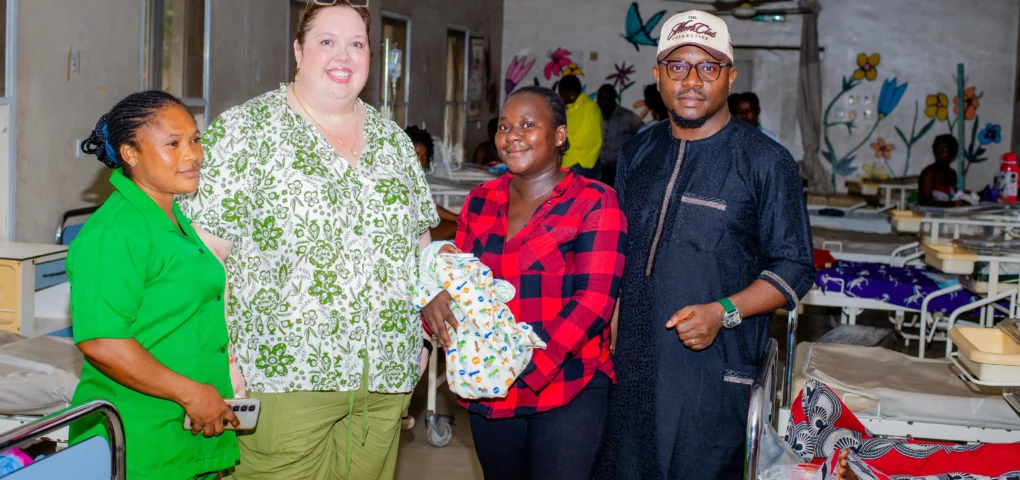
There is a particular kind of exhaustion that has nothing to do with illness. It’s the exhaustion of watching a hospital bill grow faster than a patient’s strength returns of doing the math on a ward round instead of listening to the doctor’s words.
At Eku Baptist Hospital, medical relief arrived exactly where that exhaustion lived, and it didn’t come with conditions. It came quietly, and it came in time.
The Bill Nobody Talks About
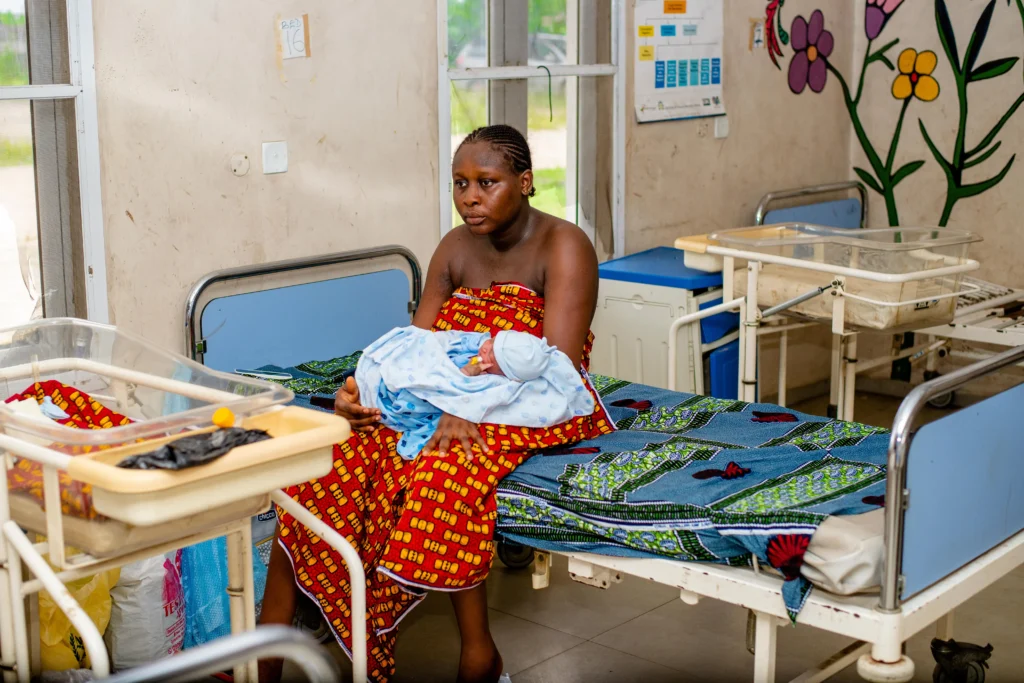
Recovery is supposed to be a private, physical thing — rest, medication, time. But for a family without savings, recovery comes with an invoice attached, and that invoice doesn’t care how tired you are.
It accrues while you sleep. It grows while you wait for test results. In many Nigerian households, the real emergency isn’t the illness itself; it’s what the illness costs after the crisis has technically passed.
That’s the gap the White Lioness Pride Foundation stepped into, not the dramatic, camera-ready moment of a medical emergency, but the quieter, longer struggle that comes after: the discharge that keeps getting delayed, the follow-up appointment skipped because transport plus consultation fee is money nobody has, the relative who has to choose between paying rent and paying a hospital.
What Eku Baptist Hospital Medical Relief Actually Meant for Families
It’s easy to talk about “support” in the abstract. Sit instead with what relief like this actually buys back for a family: it buys back a discharge date that isn’t held hostage by an unpaid balance. It buys back a mother’s ability to focus on her child’s recovery instead of a debt collector’s timeline.
It buys back dignity, the simple, radical dignity of walking out of a hospital owing nothing to anyone. This is the philosophy the White Lioness Pride Foundation was built on: that healthcare access shouldn’t quietly depend on how much cash a family has left after the crisis.
Chief Mrs. Deanna Ohwevwo known across Agbon Kingdom as the White Lioness, has spoken about the Foundation’s work as bridging a “Health Gap, bringing life-saving support to people who would otherwise be left to fend for themselves in silence.
Eku Baptist Hospital is where that principle stopped being a mission statement and became a lived, breathing relief for the people carrying it.
Why This Kind of Giving Solves More Than It Looks Like
Medical debt relief doesn’t make headlines the way a school opening or a feeding program does. There’s no ribbon to cut, no building to photograph. But its impact is arguably more immediate, because it removes a threat that’s already inside the house.
Consider what changes once that pressure lifts:
- Recovery speeds up. Stress is not neutral to healing; a patient no longer worrying about a bill has more room, physically and mentally, to get better.
- The rest of the household stabilizes. Money that would have gone toward settling a hospital bill can go back to school fees, food, rent, the ordinary things that keep a family functioning.
- Trust in care itself is restored. When people fear the cost of treatment more than the illness, they delay seeking help. Interventions like this quietly rebuild the confidence that walking into a hospital won’t bankrupt a household.
This is what the Foundation calls touching lives not as a slogan, but as a working definition to intervene at the exact point where hardship would otherwise compound.
As we wrap up
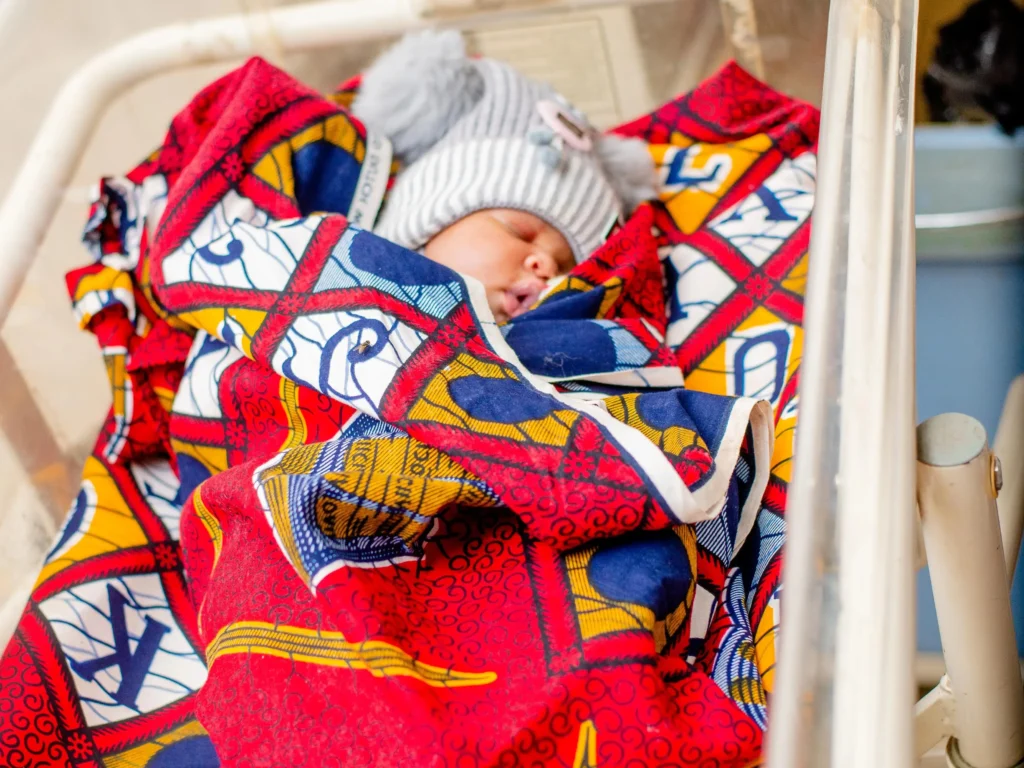
The story of Eku Baptist Hospital medical relief isn’t really about a hospital, or even about money. It is about what happens to a family the moment the weight lifts, how a household exhales, how a recovery finally becomes just a recovery again, uncomplicated by fear.
If this story moved you, the Foundation’s healthcare outreach continues to grow and it grows through people who choose to stand with the pride.